Can You Be Evicted in Ontario for Unpaid Utility Bills?
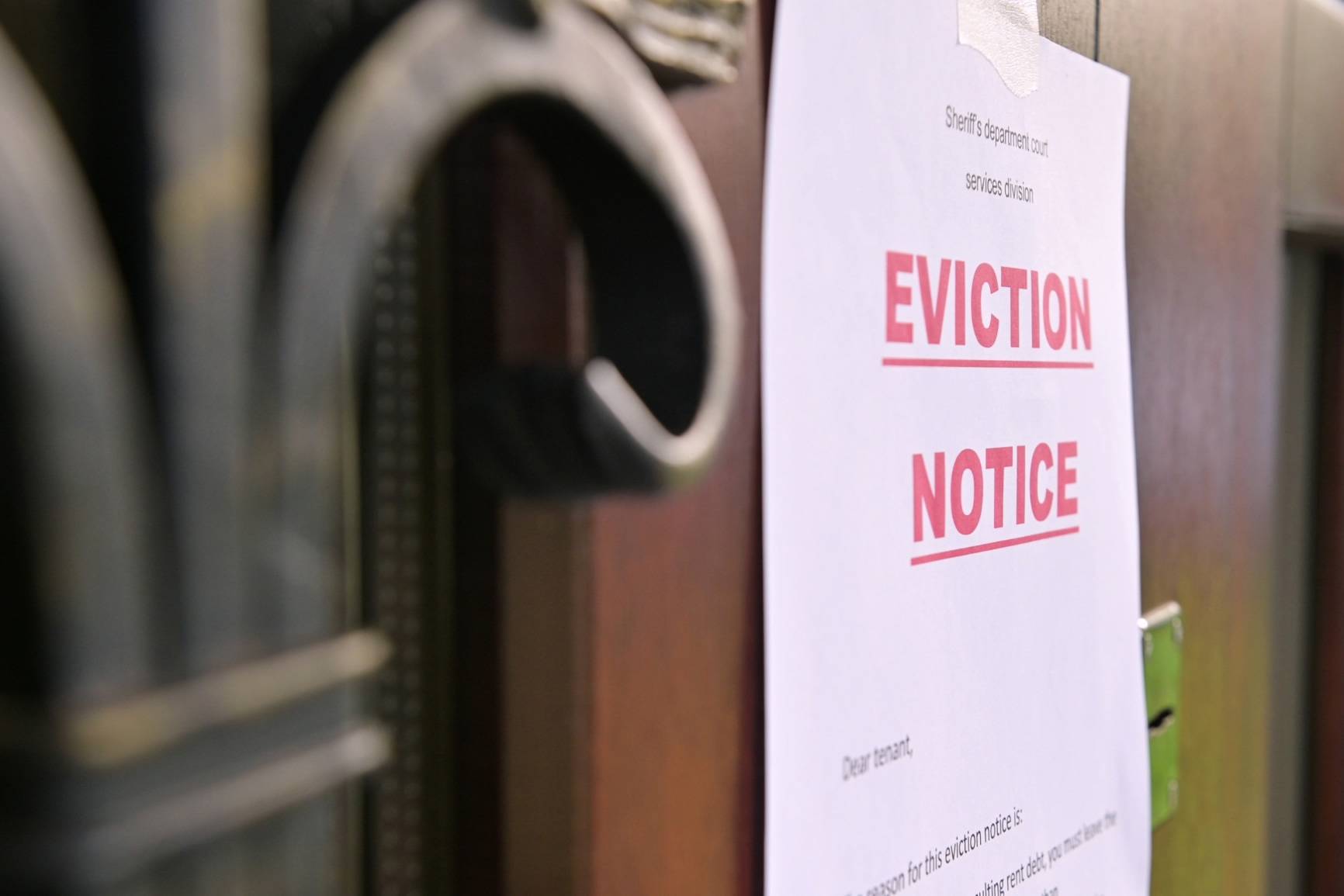
The lights are still on, but your latest bill says otherwise. If you’ve ever opened a utility notice with that sinking “uh oh” feeling, you’re definitely not alone.
Between rent, groceries, and everything else climbing in price, it’s easy for a hydro or gas bill to slip through the cracks. And when it does, a big question comes up fast: can unpaid utility bills actually get you evicted in Ontario?
The short answer is no, not usually. But that doesn’t mean those unpaid bills are harmless. Depending on your lease, missing utility payments can still lead to credit score drops or even rental issues down the road.
Let’s break it all down, how utilities really work in Ontario, what happens if you fall behind, and what to do if those unpaid bills are starting to pile up.
Understanding Utility Bills in Ontario: What’s Included
Utility bills are what keep your home running, think electricity, water, gas, internet, and sometimes garbage collection. How you’re billed depends on where you live and what’s in your lease.
Common Utilities in Toronto and Ontario Households
Across Ontario, most people pay for electricity, water, and natural gas. If you’re in Toronto, you might receive a Toronto utility bill that bundles water, solid waste, and stormwater charges together. It’s one bill, but multiple services hiding inside it.
The Legal Relationship Between Utilities and Tenancy in Ontario
In Ontario, missing a utility bill doesn’t usually mean you’re getting evicted. The Residential Tenancies Act only allows eviction for unpaid rent — not a late hydro or gas payment that’s in your own name.
That said, how utilities are handled really depends on your lease. Some landlords include them in rent, others have you pay providers directly, and a few do a mix of both. If it’s not clearly written out, that’s where confusion (and stress) usually starts.
The main thing to remember? Know what you’re responsible for and who’s getting the bill. It’ll save you a lot of headaches and keep those “uh-oh” moments off your doorstep.
What Landlords Can (and Can’t) Do
Here’s what your landlord can’t do: they can’t turn off your heat, water, or electricity to make you pay. That’s harassment. If they’re having an issue because utilities are part of your rent, they have to take it through the Landlord and Tenant Board like any other rent dispute.
If your utilities are billed directly to you, your landlord’s not even part of the conversation. The utility company is the one that’ll chase you for payment, with late fees, warning letters, and eventually, a disconnection notice if it goes on too long.
Can Unpaid Utility Bills Lead Directly to Eviction?
Not usually. But depending on your setup, those bills can still cause plenty of stress.
When Utilities Are Part of Your Rent
If you’re renting a “utilities included” unit, your landlord’s technically paying those costs on your behalf. If you fall behind on what you owe, they can count that as unpaid rent — and yes, that could eventually lead to eviction if nothing’s done to fix it.
When You Pay Utilities Directly
If you handle utilities yourself, the landlord can’t evict you for falling behind. But the consequences show up elsewhere: your credit, your service, and sometimes your future rental applications if the account goes to collections.
The Real Consequences of Unpaid Utility Bills
Falling behind on your utility bills doesn’t make you irresponsible, it just means life’s gotten expensive. And while unpaid utility bills don’t usually lead straight to eviction in Ontario, they can still cause headaches you don’t want.
Service Disconnection Policies in Ontario
Utility providers give you some wiggle room, but it’s not endless. Electricity and gas companies regulated by the Ontario Energy Board can’t cut you off between November 15 and April 30. But once spring hits, disconnections are fair game if your account’s still overdue.
And getting reconnected isn’t cheap: expect deposits, late fees, or service charges that make catching up even harder.
How Unpaid Utility Bills Affect Credit and Housing
An unpaid utility bill might seem minor, but if it’s sent to collections, it ends up on your credit report and stays there for up to six years.
That can make it even harder to qualify for new housing, loans, or even another utility account later. A $150 missed payment today can snowball into bigger roadblocks tomorrow.
What to Do If You’re Struggling
If you’ve fallen behind, don’t ignore it and reach out early. Most utility companies offer payment plana or equal billing to smooth out costs. There’s also help through Ontario’s Low-Income Energy Assistance Program (LEAP), which gives one-time grants for overdue electricity or gas bills.
And if utilities are just one part of a bigger money puzzle — maybe credit cards or loan payments are also stacking up — it might be time for a full reset.
The Bottom Line
Falling behind on your utility bills is often a sign of something bigger — like leaning on credit just to get through the month. Maybe you’ve taken a cash advance to cover a bill or started putting groceries and other essentials on your credit card just to keep up.
So, while you might not get evicted over unpaid utility bills, it can be a sign that your finances are stretched too thin.
The good news? You’re not stuck there. Real debt relief options — like debt consolidation or a consumer proposal — can help you lower payments, reduce interest, and finally break the cycle.
If you’re tired of living in survival mode, book a free consultation with a Farber Licensed Insolvency Trustee today.
We’ll help you find a plan that fits your life, puts you back in control, and reminds you what it feels like to actually move forward — not just stay afloat.
Get out of debt
We offer a powerful debt-relief solution that can significantly reduce your debt without the drawbacks of declaring bankruptcy.
Take the first step
Book a free, confidential, no-obligation consultation and together, we can make a plan to help regain control of your money.
What you need to know
Although debt can be overwhelming, there are ways to start fresh and improve your relationship with money.