What Happens to Your Loyalty Points, Gift Cards, and Rewards in Bankruptcy?
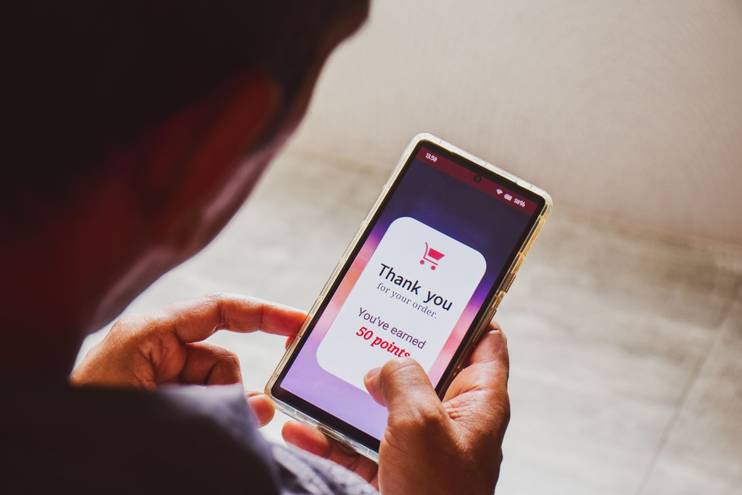
With Canadians holding an estimated $16 billion in unredeemed loyalty points and the average household enrolled in more than a dozen rewards programs, it’s no surprise that many people considering bankruptcy worry about what will happen to their points, gift cards, and digital rewards. Most people understand that physical assets are reviewed during bankruptcy, but the status of digital rewards is far less clear and often overlooked until the last minute.
If you’re thinking about declaring bankruptcy in Canada, it’s important to understand how these programs are treated, what you may be able to keep, and what might be considered an asset. This guide breaks down how loyalty points, gift cards, and rewards are typically handled in Canadian bankruptcy proceedings and how a Licensed Insolvency Trustee can help you navigate the process.
Are Loyalty Points Considered Assets in Bankruptcy?
Loyalty points occupy a unique space in Canadian bankruptcy law. They’re not physical assets, and they don’t always have a clear cash value. Instead, they exist in a grey zone: valuable to the consumer, but governed entirely by the terms and conditions of the issuing company.
In most cases, loyalty points are not treated the same way as cash or property, because:
- You don’t technically “own” the points, you have a license to use them
- The issuing company can change, freeze, or cancel points at any time
- Many programs prohibit transferring points to another person
- Points often have no guaranteed cash value
Trustees still have to review all assets in a bankruptcy, including digital ones. Loyalty points are only considered part of the bankruptcy estate if they have a clear cash value or can be converted into something that benefits creditors. If they can’t, they’re usually ignored.
But here’s the important part:
If the points are tied to a credit card, they’re often cancelled anyway because the bank typically closes the card when someone files for bankruptcy. In those cases, the points disappear before they’d ever be considered an asset.
Still, every case is different, and this is where professional guidance matters. A trustee can help you understand how your specific programs will be treated and what you need to disclose. You can start with a free consultation.
How Different Types of Rewards Are Typically Handled
Not all rewards programs are treated the same way. Here’s how the most common categories are usually addressed during bankruptcy.
Frequent Flyer Miles and Travel Rewards
Airline programs like Aeroplan, WestJet Rewards, and other travel loyalty systems often have strict rules around ownership and transferability. Most:
- Prohibit transferring points to another person
- Allow the company to freeze or cancel points at their discretion
- Do not assign a guaranteed cash value
Because of this, travel points are rarely seized in bankruptcy. However, if you have a very large balance; for example, hundreds of thousands of points, a trustee may review whether they hold meaningful value.
Credit Card Points and Rewards
Credit card rewards are more complicated because they’re tied to the card issuer. When you file for bankruptcy:
- Your credit card accounts are closed
- Any points associated with those cards are typically forfeited
- Some issuers automatically cancel points upon account closure
Retail Loyalty Programs and Store Points
Programs like PC Optimum, Canadian Tire Money, Sephora Points, or grocery store rewards are usually treated as non‑cash digital perks. They typically:
- Cannot be transferred
- Cannot be redeemed for cash
- Have limited monetary value
Because of this, they are rarely included in the bankruptcy estate unless the balance is unusually high.
Prepaid Gift Cards and Store Credits
Gift cards are different from loyalty points because they represent prepaid value. They are closer to cash equivalents.
During bankruptcy:
- Gift cards may be considered assets
- Trustees may ask about the value of any prepaid cards
- Large balances may need to be disclosed
However, small amounts like a $25 or $50 card are usually not a concern.
Factors That Determine If Your Points Will Be Seized
Whether loyalty points or gift cards are included in your bankruptcy depends on several key factors.
Terms and Conditions of the Rewards Program
The program’s rules often determine:
- Whether points can be transferred
- Whether they have a cash value
- Whether they can be redeemed for gift cards or merchandise
- Whether the company can freeze or cancel points
If the program states that points have no cash value, trustees typically cannot seize them.
Provincial Variations in Bankruptcy Exemptions
Bankruptcy is federal, but exemptions vary by province. Some provinces have broader definitions of exempt assets, which may indirectly affect how digital rewards are treated.
For example:
- Some provinces protect certain digital assets
- Others focus strictly on physical property
A trustee can explain how your province handles exemptions and whether your points fall under any protected category.
Value Thresholds
If your loyalty points have a high redeemable value, they may be reviewed more closely.
For example:
- 500,000 Aeroplan points
- $1,000+ in PC Optimum points
- Large prepaid gift card balances
If the value is small or moderate, trustees typically consider it not worth pursuing.
Can You Transfer or Use Points Before Filing?
This is one of the most common questions people ask and it’s important to approach it carefully.
Using or transferring points right before filing for bankruptcy can be seen as:
- An attempt to hide assets
- A fraudulent transfer
- A misuse of value that should have gone to creditors
This can create complications in your bankruptcy process.
However, using points in the normal course of life; such as redeeming grocery points for food is generally acceptable.
The safest approach is to:
- Avoid large redemptions
- Avoid transferring points to others
- Avoid converting points into gift cards or merchandise
- Speak with a trustee before making any decisions
A trustee can help you understand what is allowed and what could raise concerns.
Strategies to Potentially Protect Your Rewards
While you must always follow the law and disclose all assets, there are legitimate ways to reduce the risk of losing your points.
These may include:
- Reviewing program terms to understand whether points have cash value
- Redeeming points for everyday essentials well before filing, as part of normal spending
- Avoiding accumulation of large balances if bankruptcy is likely
- Keeping documentation of how and when points were used
- Discussing timing with a trustee to avoid accidental misuse
The goal is not to hide assets, it’s to understand your rights and make informed decisions.
Rebuilding Your Rewards After Bankruptcy
Bankruptcy gives you a fresh start and that includes your rewards programs.
After discharge:
- You can rejoin loyalty programs
- You can rebuild points from scratch
- You can apply for new credit cards (usually after 12–24 months)
- You can rebuild your financial profile responsibly
Many people find that starting over helps them use rewards more intentionally and avoid the debt traps that sometimes accompany credit‑based programs.
How We Can Help
Loyalty points, gift cards, and rewards may not be the first things you think about when considering bankruptcy, but they can be emotionally and financially important. Understanding how they’re treated and what you can legally protect, helps you make confident decisions.
The safest approach is always full disclosure and professional guidance. A Licensed Insolvency Trustee can help you understand your options, evaluate your rewards programs, and develop a strategy that protects your assets while giving you a clear path forward.
Get out of debt
We offer a powerful debt-relief solution that can significantly reduce your debt without the drawbacks of declaring bankruptcy.
Take the first step
Book a free, confidential, no-obligation consultation and together, we can make a plan to help regain control of your money.
What you need to know
Although debt can be overwhelming, there are ways to start fresh and improve your relationship with money.