Year-End Financial Checkup: What Your Debt Says About 2025
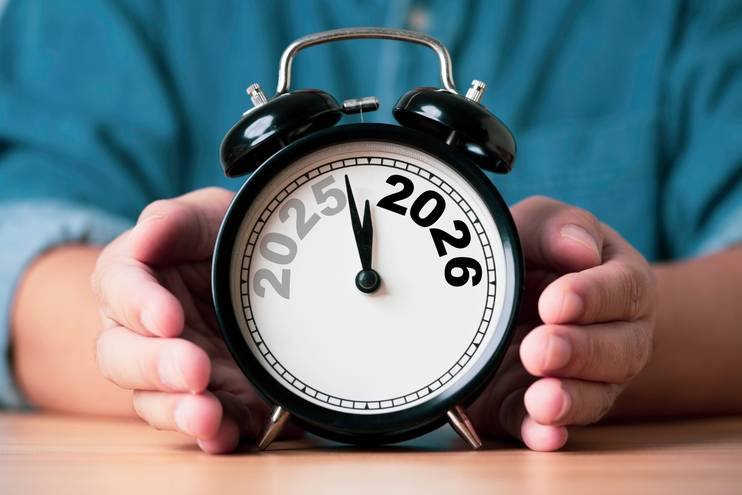
The end of the year comes with all the usual chaos, like holiday spending, packed schedules, and that moment where you wonder, “How did I go through money that fast?” What most people overlook is that their debt is already giving them clues about the year ahead. Those clues say a lot about your financial wellness going into 2026.
Your debt isn’t just a number you avoid checking. It’s an early look at what might be coming next, and December is the perfect time to pay attention. A quick year-end check lets you see what’s working, what isn’t, and what small changes could make next year feel a lot more manageable.
Why December Is the Critical Month for Financial Assessment
December has a way of putting your whole year into focus. You look back at the wins, the splurges, and the “okay, maybe that takeout habit got out of hand” moments — and that honesty makes it the perfect time for a financial check-in. It gives you a clear, realistic picture of your financial wellness heading into 2026.
And because holiday spending is impossible to ignore, your habits are easier to spot. That clarity helps you see your debt for what it is, so you’re not stepping into the new year guessing about where you stand.
Your Debt-to-Income Ratio: The Most Important Number for 2026
Your debt-to-income ratio (DTI) is basically the “vitals” in your financial wellness checkup. A quick calculation tells you how much of your income is already spoken for — and how much flexibility you have going into 2026.
Add up your monthly debt payments, divide that by your gross monthly income, multiply by 100, and you’ve got your DTI.
- Under 30%? You’re in good shape.
- Around 30–40%? Manageable, but tight.
- Over 40%? Time to take action before things snowball.
This number helps you see the truth behind your debt. With interest rates, rent, groceries, and literally everything feeling more expensive in Canada, your DTI gives you a real sense of how protected your financial wellness is heading into the new year.
Types of Debt and What They Signal
Every type of debt tells you something different about your habits, your stress points, and how financially steady you feel heading into 2026.
Good Debt vs. Bad Debt
Good debt is the kind that actually moves your life (and credit) forward — like a mortgage, a student loan, or a business loan. When it’s managed well, it can support long-term goals and fit nicely into a healthy financial picture.
Bad debt, though? That’s the stuff that drains your energy (and your bank account). High-interest credit cards, payday loans, and “buy now, figure it out later” financing can add stress fast. If these make up most of your balances, it’s a sign your debt might need a reset.
High-Interest Debt Warning Signs
High-interest debt has a signature pattern: balances that never seem to move, minimum payments that keep rising, and a general feeling that you’re juggling too much. If you’re using credit to cover basics or your balances have grown this year, those are red flags worth paying attention to.
Secured vs. Unsecured Debt
Secured debt is tied to something you own — like your home or your car — which keeps things more stable and usually comes with better rates.
Unsecured debt doesn’t have anything backing it, so lenders take on more risk. That’s why credit cards, personal loans, and lines of credit can get pricey fast. If this part of your debt has been growing, it’s something to keep an eye on before it becomes harder to manage.
Your Payment History’s Secret Message
Your payment habits give you a quick, honest snapshot of your finances and reveal patterns that say a lot about your financial wellness heading into 2026.
The Frequency of Minimum Payments
If you’ve been leaning on minimum payments most months, it’s a pretty clear sign your budget’s been tight. Minimums keep your account from slipping, but they don’t actually pay down your credit in a real way. When this becomes your usual routine, it’s a hint that things might feel just as tight next year unless you make a few changes.
Payment Timing Patterns
Your payment timing gives you quick clues about how manageable your debt feels:
- Paying early usually means you have some breathing room.
- Paying right on time means you’re keeping things steady, even if it feels tight.
- Paying late — especially more than once — is a sign your debt may be getting harder to juggle.
These patterns can sneak up on you, so noticing them now can really help you get ahead in the new year.
Debt Trajectory Analysis: Are You Trending in the Right Direction?
Take a moment and think about the past year: did your debt feel easier, harder, or basically the same to manage? That quick gut check can say a lot about where your financial wellness is headed.
If you want a little more clarity, look at where your balances were a few months ago versus today. If your debt has grown or started to feel heavier, it might be a good time to look into some debt relief options before the new year rolls in.
And if things feel lighter than they did earlier this year, that’s a great sign! Just make sure you’re not relying on credit to fill gaps, because those habits can creep up on you.
Red Flags That Require Immediate Action Before January
Some signs are too important to ignore before the year ends, including:
- Maxed-out credit cards
- Growing lines of credit
- Using your credit card to cover basic bills
- Missed or late payments
- Collection letters or calls
If any of these popped up this year, it’s a gentle nudge not to ignore your debt. A small step now can make the start of the new year feel a whole lot easier to navigate.
Creating Your 2026 Financial Wellness Plan Based on Your Debt Assessment
Once you’ve looked over your debt and spotted what’s working (and what isn’t), you can start shaping a plan for 2026 that feels manageable and grounded in your real financial life.
Setting Realistic Debt Reduction Goals
Start by picking one or two debts that will make the biggest difference when you pay them down — usually the ones with higher interest or the balances that never seem to budge.
Then try out a few payment amounts to see what fits your budget. You can also use a debt calculator easily see how long different options might take.
Small, steady steps might not feel dramatic, but they add up fast and can really boost your financial wellness over time.
The Bottom Line
A year-end check-in doesn’t just show you where your debt stands — it gives you a clearer sense of what the year ahead could look like if you make a few intentional changes now.
If you found red flags or want a clearer path forward, Farber’s debt experts can help you build a personalized plan that works. Book a free consultation today and start 2026 off on the right foot!
Get out of debt
We offer a powerful debt-relief solution that can significantly reduce your debt without the drawbacks of declaring bankruptcy.
Take the first step
Book a free, confidential, no-obligation consultation and together, we can make a plan to help regain control of your money.
What you need to know
Although debt can be overwhelming, there are ways to start fresh and improve your relationship with money.